
Cyber Clinic Train-the-Trainer: Enhancing Lecturers’ Capacity to Support Businesses in the Digital Era
As digital transformation continues to accelerate, the need to develop high-quality human resources in information security has become increasingly urgent. To help address this challenge, Hanoi University of Science and Technology is implementing the Cybersecurity Human Resources Incubator in the Digital Economy – Cyber Clinic project, with support from The Asia Foundation (TAF) and funding from Google.org.
The project aims to establish and operate the Cyber Clinic as an incubator for training, support, and knowledge sharing in information security, while promoting lifelong learning for students, lecturers, businesses, and the wider community. It also focuses on training young professionals with technical expertise, practical skills, and advisory capabilities in information security, enabling them to support micro, small and medium-sized enterprises (MSMEs). The project is being implemented in several provinces and cities, including Hanoi, Quang Ninh, Dien Bien, Lao Cai, Thanh Hoa, Da Nang, and Can Tho.
As one of the project’s key activities, the Train-the-Trainer Programme was held at the MB Digital Hub, with the participation of experts, lecturers, and representatives of partner organisations. The programme brought together leading experts in information security, law, and education to develop a team of lecturers with strong professional expertise and modern teaching methods.
Directions for Information Security Workforce Development
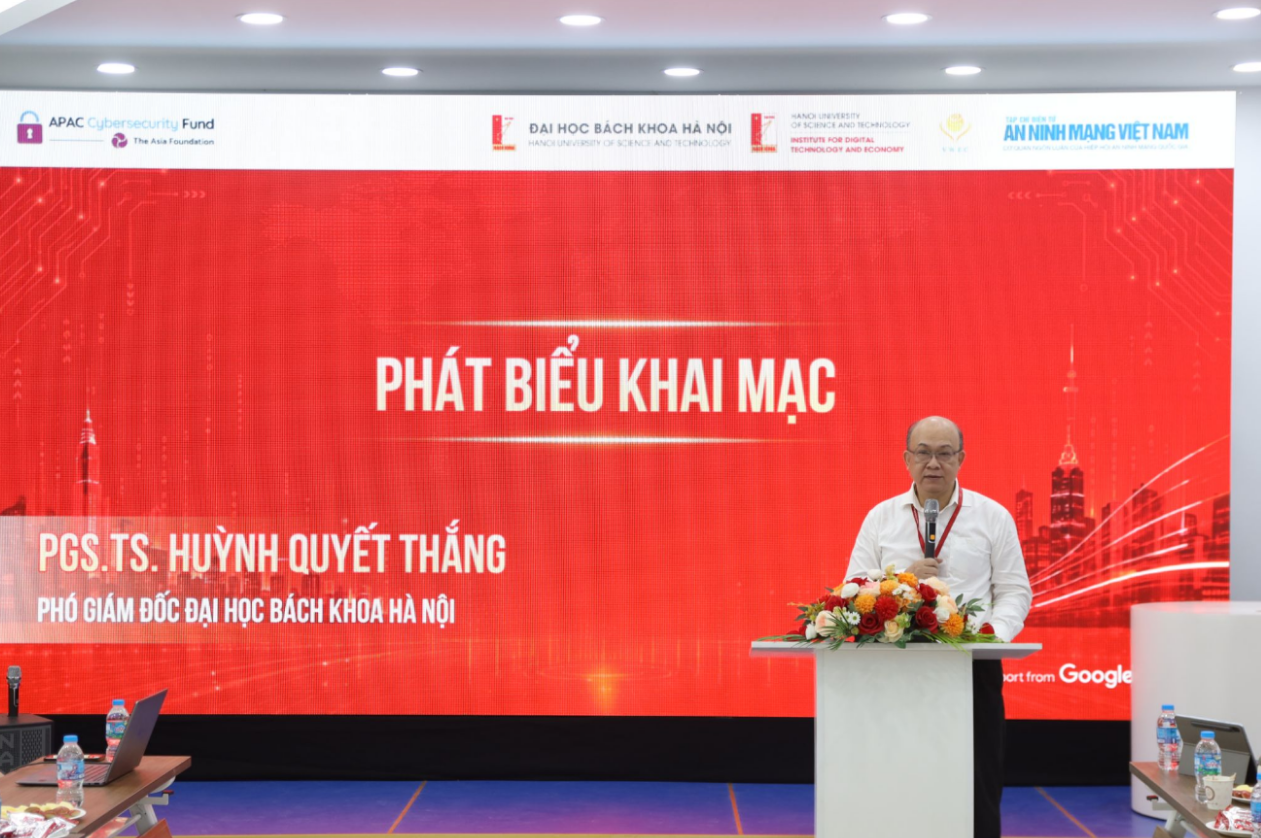
Delivering the opening remarks, Assoc. Prof. Huynh Quyet Thang, Vice President of Hanoi University of Science and Technology, emphasised the role of higher education institutions in training human resources to meet the demands of the digital economy. According to Assoc. Prof. Dr. Huỳnh Quyết Thắng, in the face of growing challenges, universities are responsible not only for training specialists but also for supporting businesses through training, consultancy, and knowledge transfer. The Cybersecurity Human Resources Incubator in the Digital Economy is expected to serve as a bridge between universities and businesses, helping apply professional knowledge to real-world challenges.
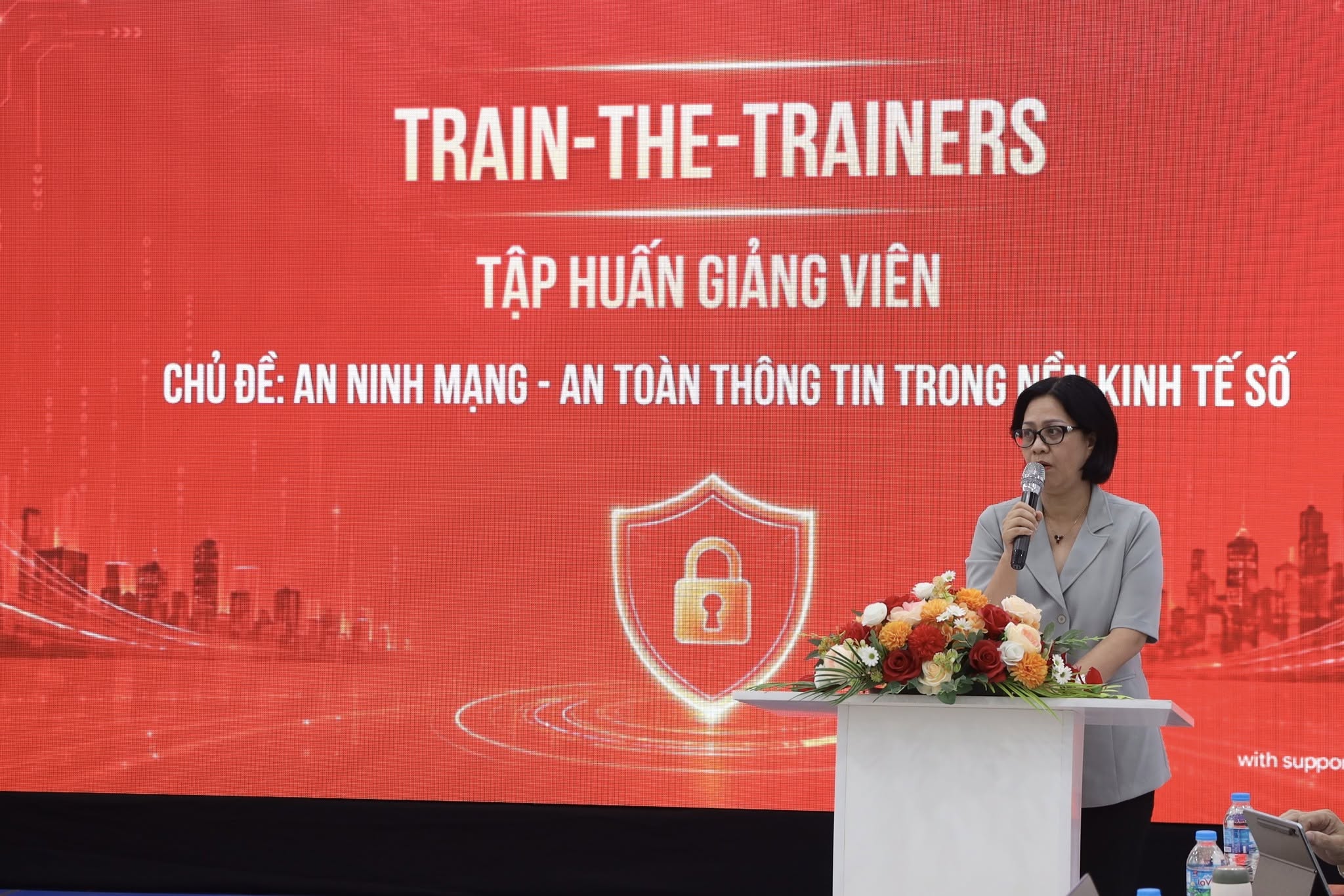
Representing The Asia Foundation, Ms. Nguyen Thi Ngoc Anh also expressed her expectation that the knowledge and training models shared during the programme would be further expanded, creating practical value for the business community, particularly small and medium-sized enterprises.
An Overview of Information Security in the Digital Economy
The first training session was delivered by Mr. Ngo Tuan Anh, Deputy Head of Data Security and Personal Data Protection at the Vietnam Cybersecurity Experts Network/Alliance (NCA). The session provided a comprehensive overview of information security in the digital economy and the challenges faced by small and medium-sized enterprises (SMEs).
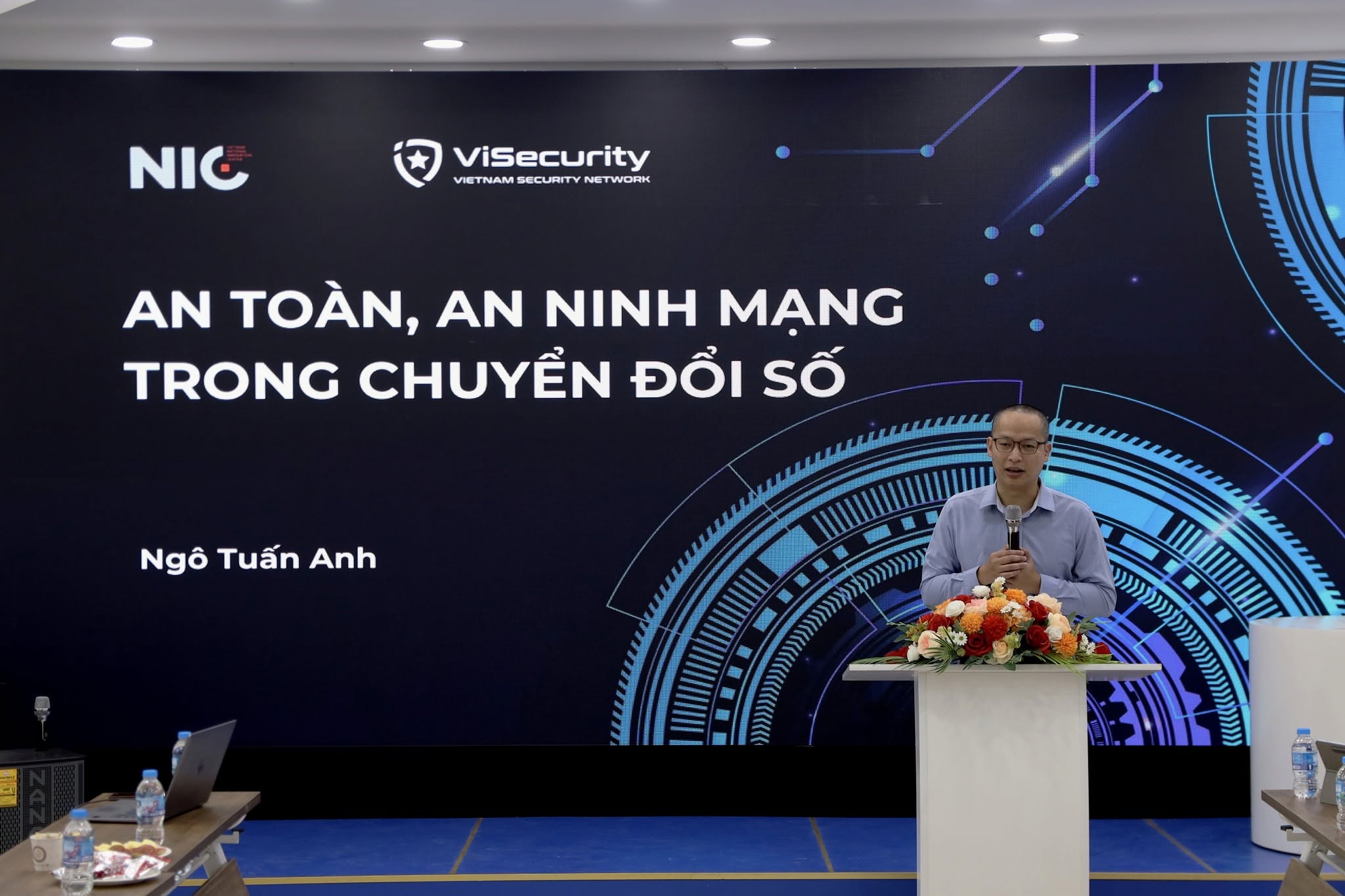
According to Mr. Ngo tuan Anh, one of the greatest barriers is that many small and medium-sized enterprises still believe that they are not targets of cyberattacks. He presented evidence from both domestic and international reports and studies. Notably, according to a report by the National Cybersecurity Association, 46.15% of organisations and businesses in Vietnam reported having experienced at least one cyberattack during the previous year.
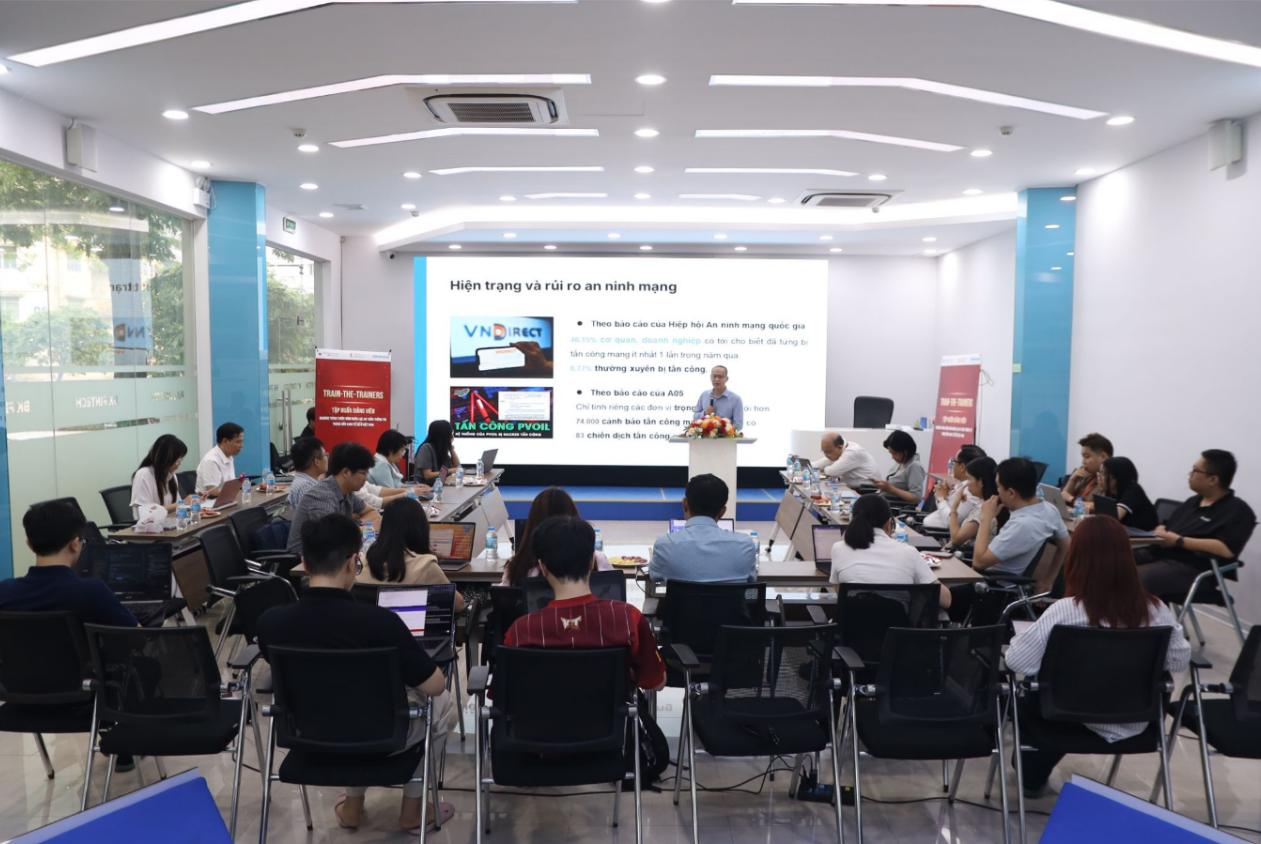
These figures show that cyberattacks are occurring with increasing frequency and are becoming more sophisticated and unpredictable, ranging from ransomware and advanced persistent threats (APTs) to online fraud and data breaches.
In addition to analysing cyberattack trends, Mr. Ngô Tuấn Anh introduced an approach to developing training content for lecturers based on the National Data Architecture Framework, combined with the principles of Security by Design.
Under this approach, information security should be integrated from the system design and development stages, rather than being treated only as a response after an incident has occurred. This approach helps develop a proactive security mindset and provides lecturers with a foundation for guiding businesses in building information security solutions from the outset.
Addressing the Challenges of Enterprise Data Protection
The programme continued with a session delivered by Mr. Lưu Xuân Vĩnh, Managing Lawyer at Asia Legal, who presented legal and governance perspectives on enterprise data protection.
He introduced legal frameworks and data protection principles currently applied worldwide and analysed the development of Vietnam’s legal system in information security and personal data protection. He also provided updates on new provisions of the 2025 Law on Cybersecurity and the requirements placed on businesses in relation to compliance and data governance.

Mr. Luu Xuan Vinh emphasised that data protection is not only a compliance requirement but also an important factor in building trust with customers and partners and improving business competitiveness in the digital economy.
As Vietnam aims for the digital economy to contribute approximately 30% of GDP by 2030, establishing a safe and trustworthy digital environment will provide an important foundation for promoting innovation and sustainable development.
Introducing the Internationally Aligned Cyber Clinic Training Framework
In the final session, Dr. Vũ Văn Thiệu, lecturer at the Faculty of Computer Science, School of Information and Communication Technology (SoICT), Hanoi University of Science and Technology, introduced the Cyber Clinic training framework developed based on the NIST Cybersecurity Framework (NIST CSF).
The framework is designed to help lecturers gain an overall understanding of the curriculum and practical activities for learners and students participating in the Cybersecurity Human Resources Incubator in the Digital Economy project.
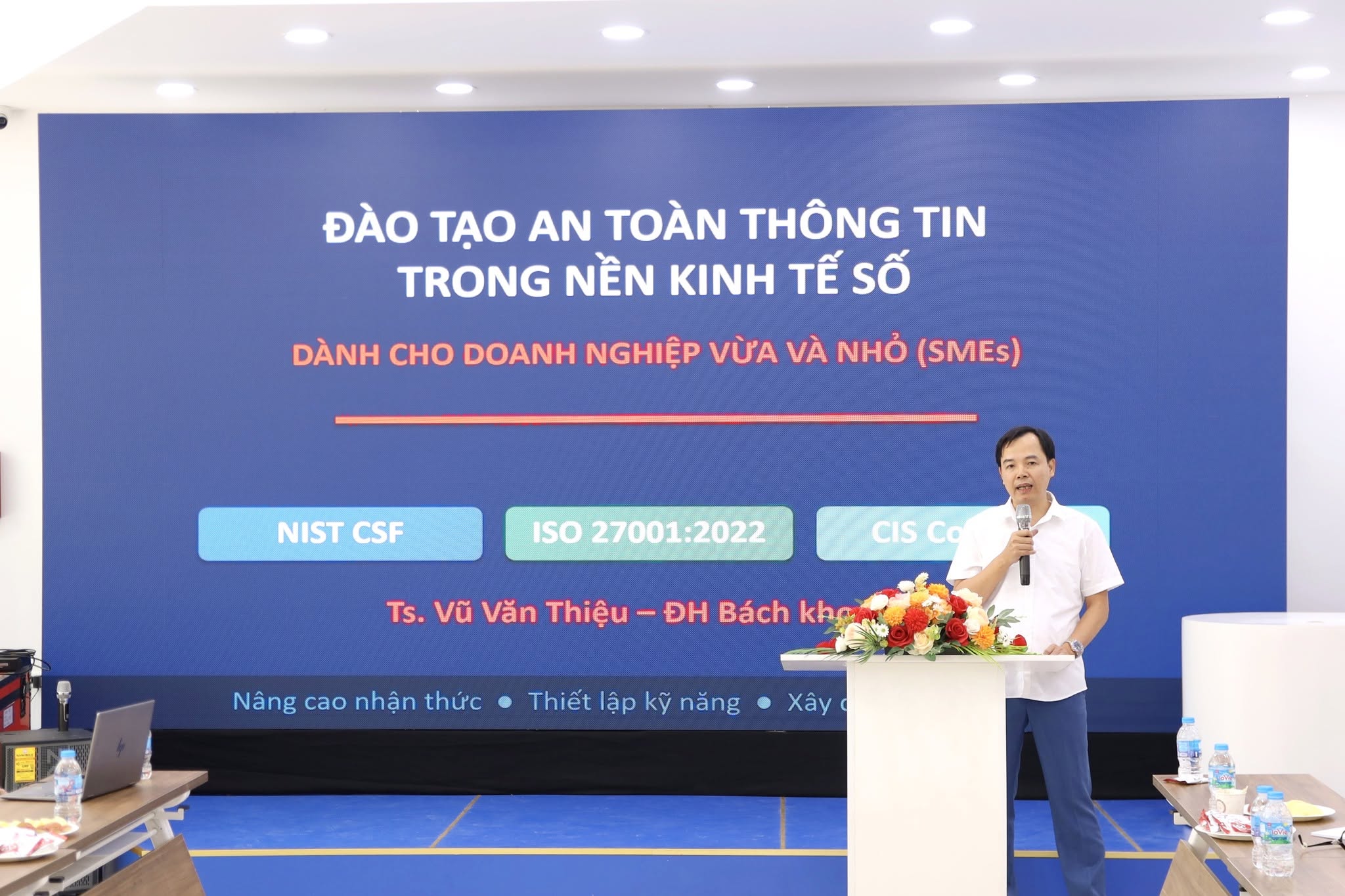
The programme consists of nine training sessions, including seven modules on information security and two modules on soft skills. The information security content focuses on core competencies such as identifying and assessing information security risks for small and medium-sized enterprises; implementing measures to protect accounts, data, and devices; developing incident response procedures and backup plans; and establishing information security policies in accordance with current legal regulations.
In addition to technical knowledge, the programme places emphasis on practical activities through simulated scenarios, group exercises, and discussions with experts. This approach helps learners not only understand information security principles but also apply them in practice, gradually developing a risk management mindset and building an information security culture within businesses.
Discussing the project’s future direction, Assoc. Prof. Dr. Nguyễn Thị Xuân Hòa, Deputy Director of the Institute for Digital Technology and Economy and Project Lead of the Cyber Clinic Incubator, stated that the Cyber Clinic aims to recruit and train between 80 and 100 students with backgrounds in information security and digital transformation.
These students will support and provide consultancy to approximately 200 micro and small enterprises, household businesses, and social organisations in the localities where the project is implemented. In particular, all participants will receive full financial support for training, accommodation, and travel expenses, enabling young people from different regions to access high-quality training and support businesses in achieving safe and sustainable digital transformation.
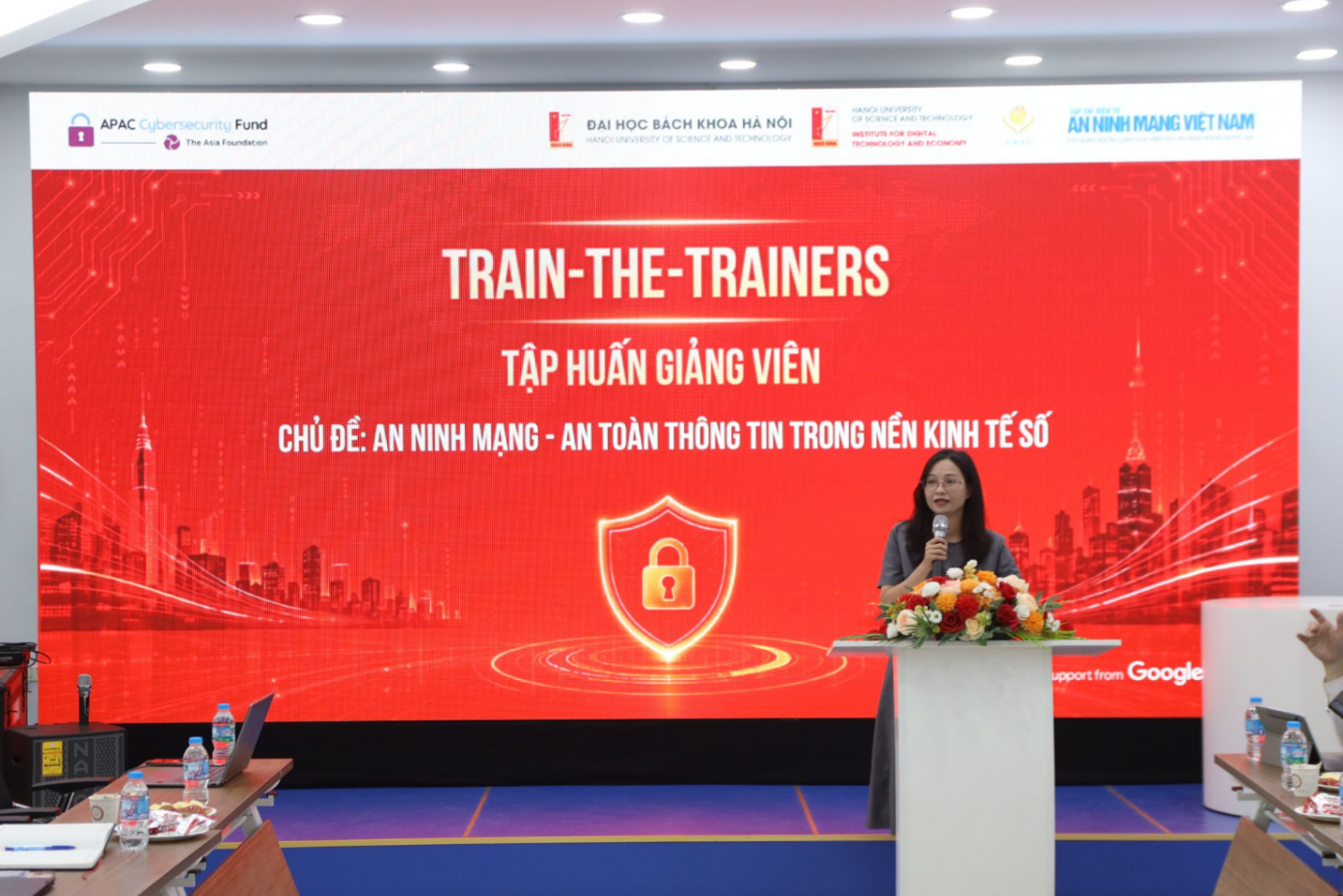
The Train-the-Trainer Programme concluded with an active discussion among lecturers and speakers on the topics presented throughout the programme. Feedback from the participants will provide an important basis for further improving the Cyber Clinic curriculum, developing a core team of lecturers, and promoting good information security practices within the business community.